
Launching an app or piece of software into a new market isn't just about translating words one by one. Users in Indonesia, Southeast Asia, or Europe expect a digital product that feels like it was built specifically for them: natural-sounding language, correct date and currency formats, and familiar technical terms. That's where Nuansa Translator's software localization services in Jakarta come in. We help technology companies, startups, and digital agencies in Jabodetabek carry their products across language barriers without losing quality or credibility.
What Software Localization Is, and How It Differs From Regular Translation
Regular translation focuses on moving meaning from one language to another. Software localization is far broader: it adapts the entire product experience to the culture, habits, and expectations of users in a given region. This includes interface adaptation, number formats, text direction, units of measurement, images, colors, and communication style. A button that reads naturally in English can feel stiff if translated literally into Indonesian. Localization makes sure every element feels native to its users, boosting trust and adoption.
Why Localization Matters for the Indonesian and Global Markets
Indonesia is one of the world's largest digital markets, with hundreds of millions of users who are more comfortable interacting in their own language. An app that isn't localized risks being seen as foreign, hard to trust, or simply abandoned. Conversely, a well-localized product looks more professional, earns better reviews, and competes more strongly in app stores. For companies looking to expand globally, localizing into multiple languages opens access to new markets and significantly increases revenue potential.
What Gets Localized: UI, Strings, and Documentation
Localization touches many layers of a product. The most visible is the user interface: button labels, menus, error messages, notifications, and tooltips. Beyond that, there's dynamic content like automated emails, push messages, and onboarding flows. We also handle supporting documentation such as user guides, help pages, App Store and Play Store descriptions, and marketing materials. Each component has a different style and text length, and our team keeps terminology consistent across every touchpoint using a glossary and dedicated style guide.
Internationalization (i18n) and File Formats
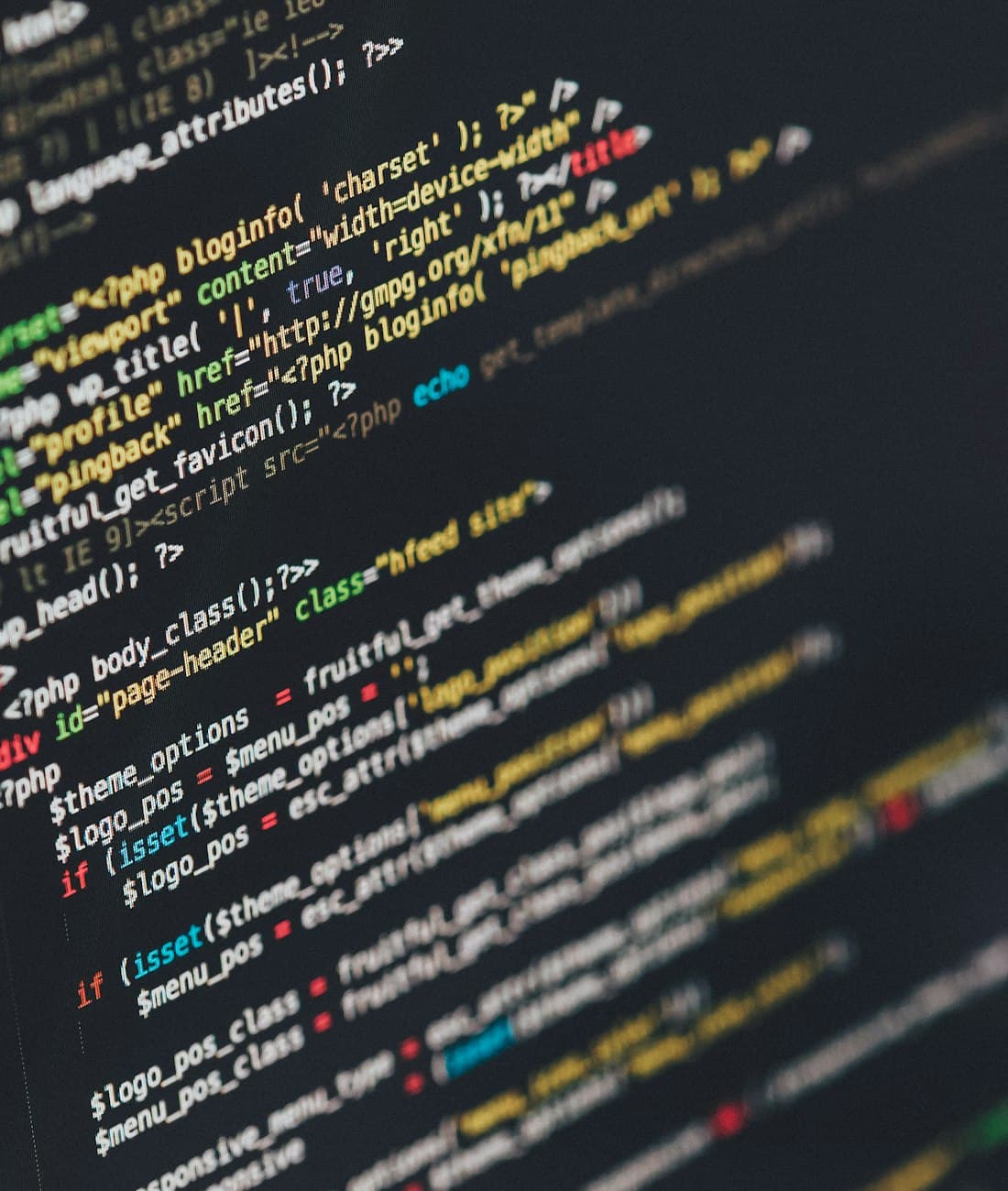
Before a product can be localized efficiently, it needs to be technically prepared through internationalization, or i18n. This means separating text from code so strings can be translated without touching the program's logic. We're comfortable working with a wide range of industry-standard localization file formats, from .po and .pot for gettext, .json for web apps and React, .xliff for professional workflows, to .strings and .xml for iOS and Android. Our localization engineers keep variables, placeholders, and HTML tags intact so nothing breaks when the product runs.
Cultural and Local Format Adaptation
Every region has its own conventions. Dates can be written day-month-year or the reverse, currencies use different symbols and decimal separators, and large numbers are separated differently. Nuansa makes sure these formats are adjusted correctly so users aren't confused. We also pay attention to cultural sensitivity: color choices, icons, images, and tone are adapted to be relevant and appropriate in the local context. This kind of adaptation is often what separates a product that's merely usable from one that's genuinely loved.
Linguistic Testing and QA
A translation that looks good on paper doesn't always display perfectly on screen. Text that's too long can get cut off, sentences can lose context, and variables can end up in odd positions. That's why we run linguistic testing directly inside the running product. Our QA testers check every screen to make sure layout, meaning, and formatting are correct. This process catches issues that plain text files can't reveal, and it makes sure the final user experience is genuinely smooth across every device and screen size.
Working With Your Development Team
Localization works best when it's integrated with your development cycle. We can work directly with Git repositories, translation management systems (TMS), and CI/CD pipelines, so new strings automatically enter the translation queue every time there's an update. This continuous localization approach removes release delays and keeps language versions always in sync. Our project managers coordinate schedules, priorities, and communication between translators, engineers, and your product team so every release goes smoothly and on time.
Scalability for Your Growth
Localization needs tend to grow as your product does. Today it might be two languages; next year it could be ten. That's why we build a scalable foundation from the start, including a glossary, style guide, and translation memory that can be reused for every future release. With a continuous-localization workflow, adding a new language or feature doesn't mean starting from zero. We can also adjust our team's capacity to match your development pace, whether for intensive sprints or routine maintenance. This approach keeps costs efficient while making sure your product is ready for its next market expansion without technical or linguistic roadblocks.
How to Start Your Localization Project
Getting started with Nuansa is simple. Just contact us with an overview of your product, target languages, and file formats used. We'll run an initial analysis, build a glossary and style guide, then provide a transparent cost estimate and schedule. Once agreed, our team gets to work with regular updates until your product is ready to launch. Based in South Tangerang and serving all of Jabodetabek, we're ready to be your long-term localization partner, making your product feel local wherever its users are.